
 ENGLISH

General Description
The XT2052 is a constant- current / constant- voltage charger circuit for single cell lithium-ion batteries. The device includes an internal power transistor, does not need external current sense resistor and blocking diode in applications. XT2052 requires minimal external components, and meet the USB bus specification, is very suitable for portable applications in the field.
Thermal modulation circuit can control the internal chip temperature in a safe range when the device power dissipation be relatively large or the ambient temperature be higher. Within a fixed constant charge voltage 4.2V, can also be adjusted by an external resistor.
When the input voltage (AC adapter or USB power supply) power is lost, XT2052 automatically enters a low power sleep mode, then the battery current consumption is less than 0.1μA. Built-in protection circuits against irrigation, when the battery voltage is higher than the input voltage, automatically turn off built-in power MOSFET. Other features include low input voltage latch, automatic recharge, the battery temperature monitoring, and charge status / charge status indication functions. XT2052 uses thermally enhanced 8-pin small outline package ESOP8.
Features
Programmable charge current up to 1A
No MOSFET, sense resistor or blocking diode required
Complete linear charger in small package for single cell lithium-ion batteries
Constant-current/constant-voltage operation with thermal regulation to maximize charge rate without risk of overheating
Charges single cell li-ion batteries directly from USB port
Preset 4.2V charge voltage
Monitor output charge current
Automatic recharge
Charge status output pin
1/10 charge current termination
40µA supply current in shutdown
2.9V trickle charge threshold
Soft-Start limits inrush current
Output with protection against anti-irrigation
Available in ESOP8 or customer order form
When you unplug VIN , the IC does not consume battery power
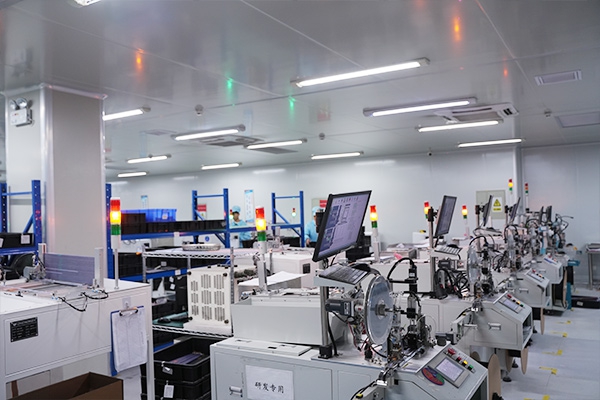
Production Line Live View 1
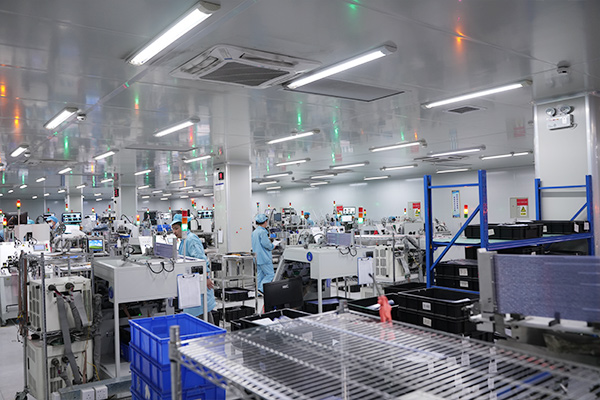
Production Line Live View 2
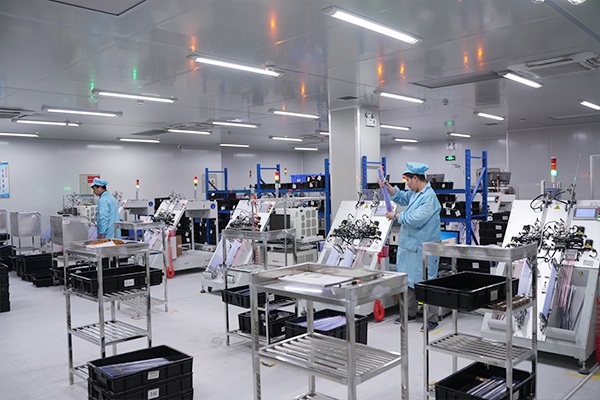
Production Line Live View 3
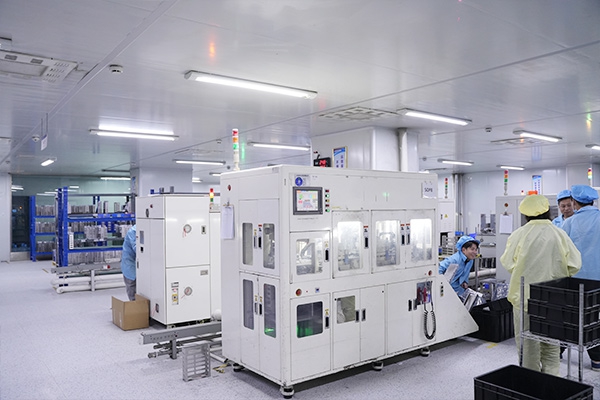
Production Line Live View 4
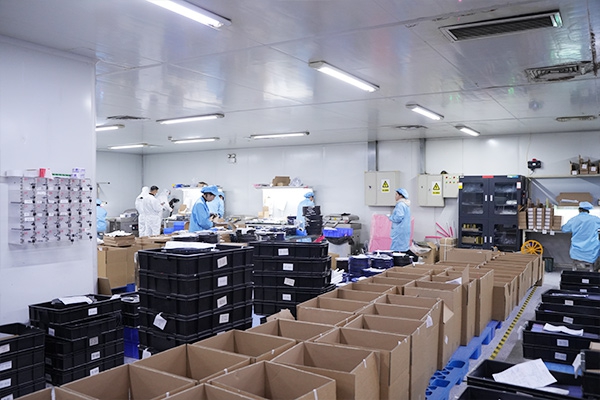
Production Line Live View 5
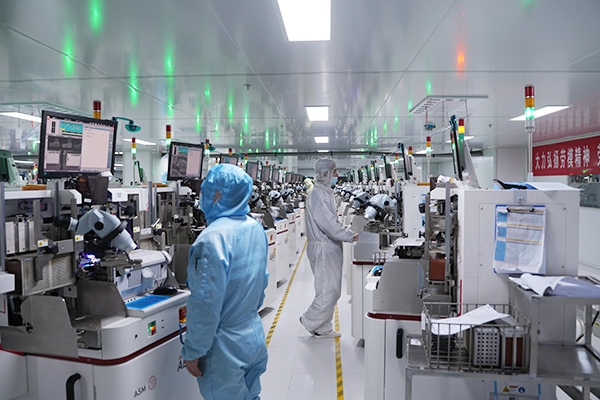
Production Line Live View 6
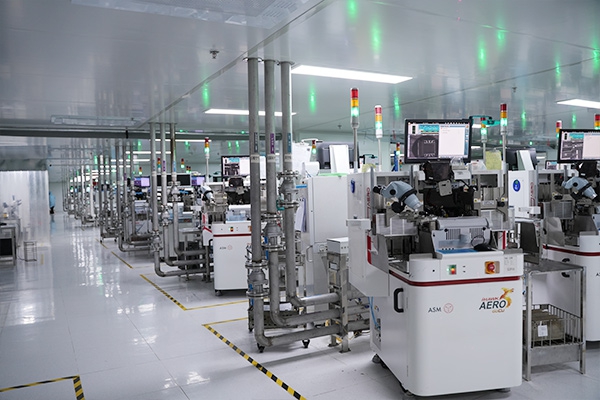
Production Line Live View 7
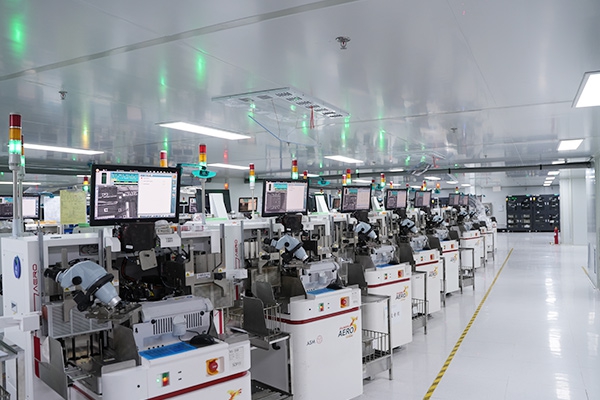
Production Line Live View 8
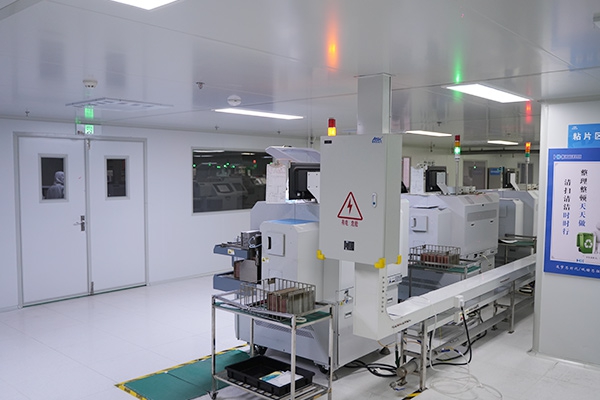
Production Line Live View 9

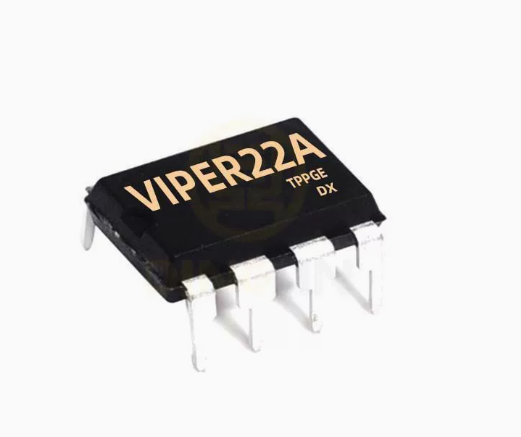

TEL:137 5117 9101
Emailhttps://www.hsesf.net







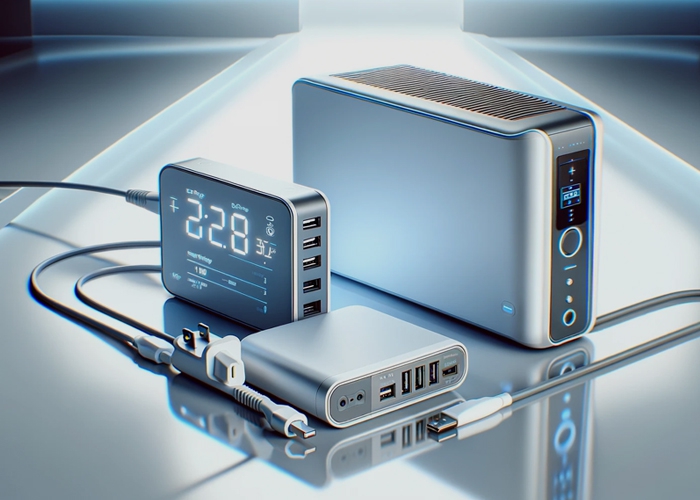 Power supply
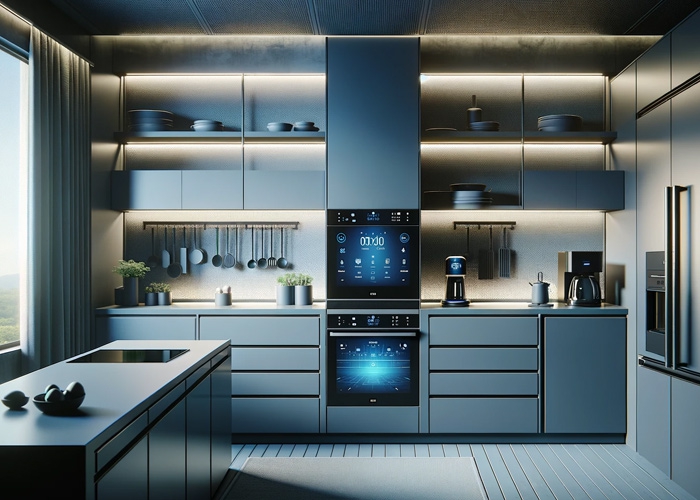 home appliance
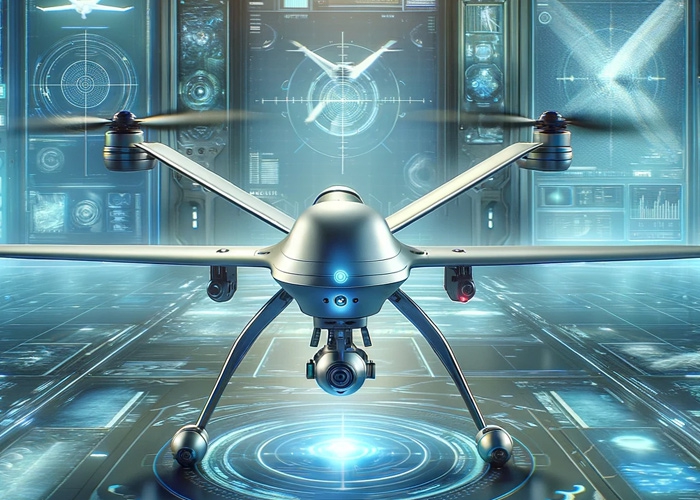 drone
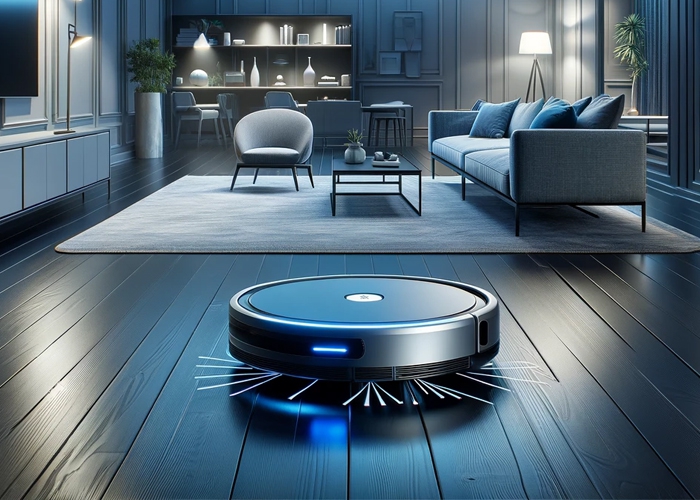 floor sweeper
 Medical device
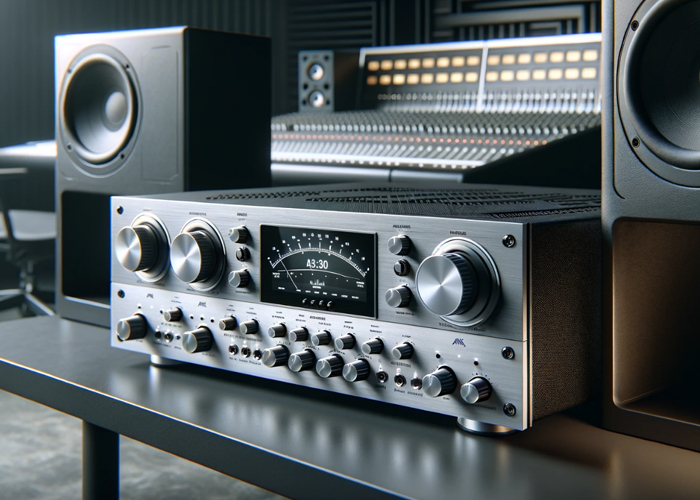 Multimedia audio power amplifier
 LED lighting
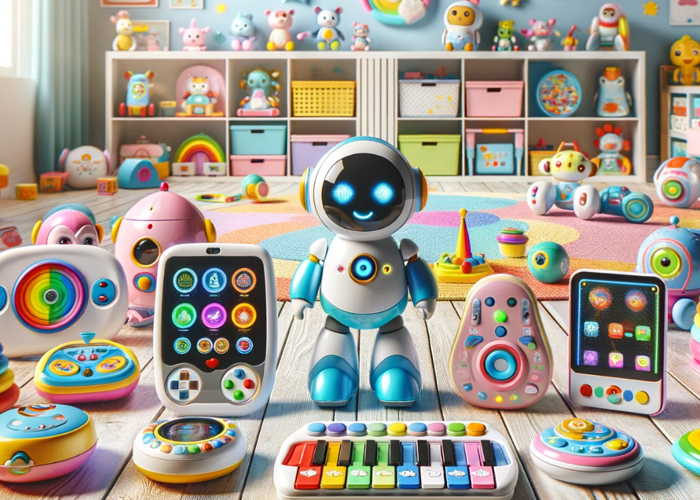 Toy
 robot
 Instruments and meters
 industrial control